Installation Advice for Skylights Rooflights
The Ultimate Guide to Choosing the Right Skylights for Your Space
Choosing the best skylights can greatly affect a home's ambiance and efficiency. Each type offers special benefits, from enhanced natural light to better ventilation. However, choosing the ideal skylight involves thorough assessment of several factors, including placement, size, and materials. Residents must consider these elements thoroughly. Recognizing these elements is crucial for reaching an informed decision that supports both aesthetics and practicality. What comes next in this decision-making process?
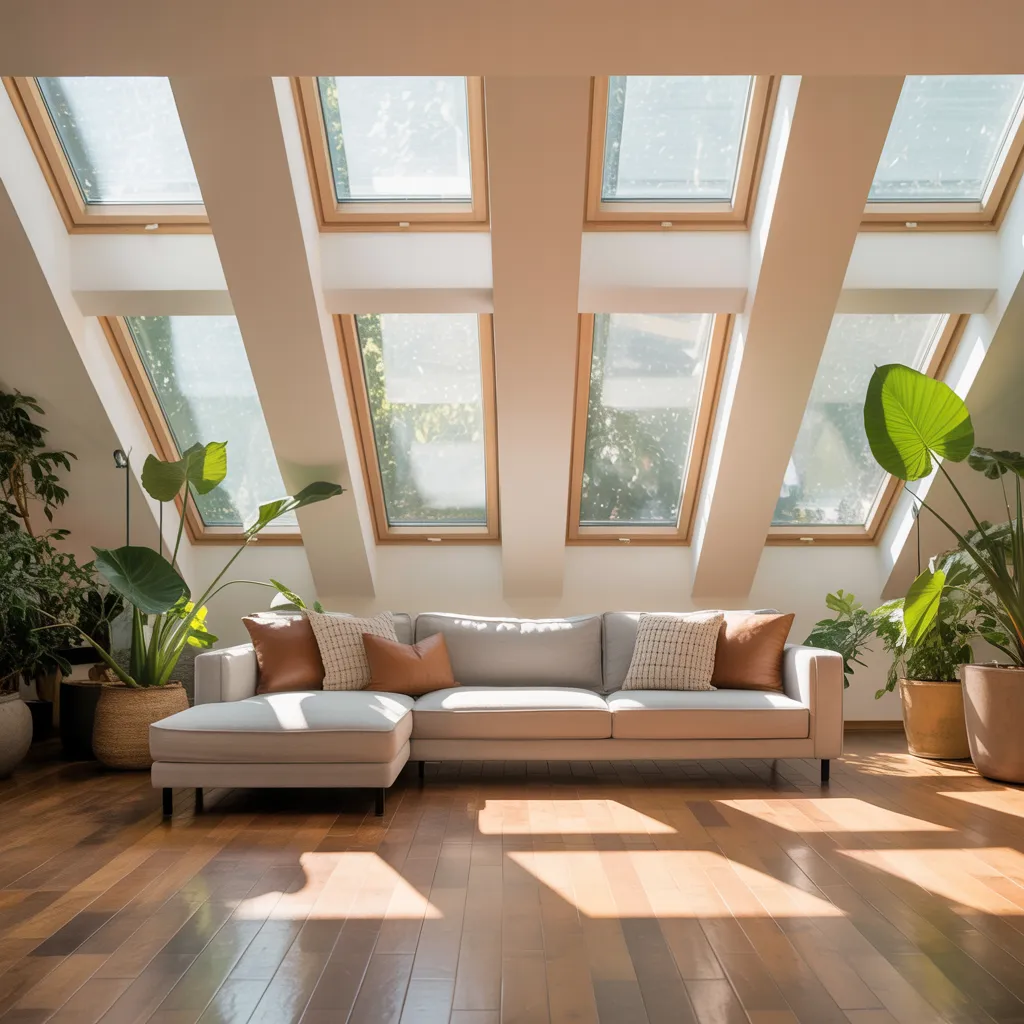
Understanding the Benefits of Skylights for Your Home
Skylights offer many benefits that can significantly improve a home's ambiance and practicality. They introduce natural light into areas that could otherwise seem dim or confined, creating a more inviting environment. This influx of daylight can reduce reliance on artificial lighting, leading to lower energy bills. Moreover, skylights can improve ventilation, especially when vented options are selected, allowing hot air to exit and fresh air to enter.
In addition, skylights create a link to the exterior, allowing occupants a view of the sky and nearby landscape. This visual relationship can elevate spirits and support overall health. In addition, well-positioned skylights can improve the architectural beauty of a home, adding a modern touch that can raise property worth. All in all, the rewards of skylights surpass mere aesthetics, supporting energy efficiency, well-being, and an improved quality of life within the home.
Evaluating Various Skylight Options: Discover Your Ideal Choice
While researching skylights, it is important to recognize the wide range of styles offered, each offering unique benefits designed for different areas. The decision on a skylight can considerably affect illumination, energy performance, and visual appeal, making the perfect positioning critical. By comparing these factors, homeowners can determine the best fit for their particular preferences.
Understanding the Different Types of Skylights
Natural light has the power to transform a space, and choosing the appropriate type of skylight is crucial for achieving the intended effect. There are several types of skylights to evaluate, each crafted for particular functions and visual appeal. Fixed skylights offer a permanent source of illumination, ideal for areas where ventilation is unnecessary. Ventilated skylights, alternatively, can be opened to admit fresh air, making them well-suited for use in kitchens and bathrooms. Tubular skylights channel sunlight through reflective tubes, ideal for compact spaces. Additionally, dome skylights feature a distinctive design and are frequently used in commercial environments. Recognizing these choices helps establish which skylight most closely matches the unique requirements and style of a space.
Perks of Every Type
Choosing the right skylight can significantly elevate both appearance and practicality in any room. Every option delivers distinct benefits suited for specific needs. Stationary skylights, for instance, provide abundant natural light and are perfect for boosting a space's brightness without ventilation. Opening skylights, on the other hand, improve air circulation, making them ideal for wet areas and cooking spaces. Tube skylights are a fantastic option for smaller or confined areas, offering diffused light without affecting space. Skylights with built-in blinds or shades provide versatility, enabling users to manage light levels and privacy. Finally, eco-friendly designs help reduce heating and cooling costs, contributing to overall energy savings. Recognizing these features is vital for making an informed decision.
Perfect Installation Sites
Skylight placement plays an essential role in maximizing their benefits and enhancing the overall atmosphere of a space. Optimal placements include areas that need natural light, such as bathrooms, kitchens, and living rooms. South-facing skylights excel at capturing daylight throughout the day, while north-facing installations deliver steady, diffused illumination free of glare. Additionally, east-facing skylights allow for morning light, promoting a warm start to the day, whereas west-facing placements collect afternoon rays, making them excellent for evening relaxation. For rooms with high ceilings, installing skylights near the apex can create a dramatic effect and improve ventilation. In the end, the selection of skylight style and placement should correspond with the unique lighting requirements and architectural character of the space.
Critical Elements to Evaluate When Choosing Your Skylights
When selecting skylights, it is critical to evaluate your natural lighting requirements and energy-saving options. Distinct areas may require different levels of natural light, impacting the choice of skylight size and placement. Furthermore, energy-efficient models can greatly reduce cooling and heating expenses, making them a wise financial decision.
Natural Light Requirements
Natural light plays an essential role in elevating the mood and usability of any room, as it affects both emotional well-being and energy conservation. When choosing skylights, it is important to evaluate the particular natural light requirements of the space. Consider the room's purpose; for instance, living areas benefit from abundant light, while bedrooms may require softer illumination. The direction the space faces also plays a role; south-facing skylights tend to capture more light throughout the day, while north-facing options provide a more consistent, diffused glow. Additionally, the size and shape of the skylights should align with the desired light intensity, creating a balanced environment. Ultimately, understanding these factors guarantees that the chosen skylights fulfill the unique lighting requirements of each area.
Energy Efficiency Options
Energy efficiency plays a vital role when evaluating skylight options, as it directly impacts both utility costs and environmental sustainability. When assessing your choices, elements including glazing type, frame materials, and insulation properties deserve careful attention. Dual or triple-pane glazing offers exceptional thermal efficiency, limiting thermal transfer in both winter and summer seasons. Low-E coatings further enhance energy efficiency by blocking infrared radiation while maintaining natural light flow. Additionally, skylights with energy-efficient frames, such as fiberglass or vinyl, effectively reduce thermal bridging. Professional installation is necessary to avoid unwanted air gaps, maintaining peak functionality. Selecting ENERGY STAR-certified skylights can significantly reduce utility costs while fostering an environmentally responsible home.
Selecting the Ideal Size and Placement for Skylights
Identifying the appropriate size and placement for skylights is essential for maximizing their benefits. The size of a skylight should be proportional to the room's size and the intended quantity of natural light. Bigger skylights can greatly brighten a space but may necessitate thoughtful planning to reduce the risk of overheating or unwanted glare.
Positioning is just as crucial; in an ideal setup, skylights should be positioned to take in the greatest amount of natural light throughout the day while minimizing direct exposure during the hottest parts of the day. This can enhance energy efficiency and comfort.
Consideration of room function is important; for instance, a kitchen can greatly benefit from a skylight installed over work surfaces, whereas a living room may place greater emphasis on visual appeal. Furthermore, evaluating the existing architectural features and roof slope can help determine the best locations. Appropriate dimensions and thoughtful positioning ultimately foster a balanced integration of natural light and climate management, elevating the general atmosphere of the area.
Skylight Materials You Should Know
When evaluating skylights, the choice of materials plays an essential role in their durability and effectiveness. Commonly used materials include glass, acrylic, and polycarbonate, each offering distinct advantages. Glass is often favored for its durability and resistance to UV rays but may prove to be heavier and pricier. It additionally offers superior clarity and thermal insulation when constructed with double or triple glazing.
Being lightweight and more impact-resistant, acrylic, makes for a popular selection among those looking for affordability. However, it may scratch more easily and can be less effective at insulating than glass.
Polycarbonate stands out as another solid option, known for its high impact resistance and energy efficiency. This material is also capable of offering UV protection, rendering it appropriate for diverse climate conditions.
At the end of the day, the choice of skylight materials should match the unique demands of the space, weighing aesthetics, functionality, and budget.
Should You Handle Your Skylight Installation or Leave It to a Professional?
How does a homeowner decide whether to approach a skylight installation as a self-managed project or work with a professional contractor? This choice frequently depends on several factors, including experience level, the complexity of the project, and safety considerations. For homeowners who have a strong foundation in home improvement and a comprehensive knowledge of roofing, a DIY method may be practical. They could benefit from reduced labor costs and experience the fulfillment of handling the project independently.
Even so, skylights demand accurate installation to prevent leaks and guarantee structural integrity. Working with a professional can mitigate risks, particularly for people without experience in roofing or construction. Experienced specialists provide expertise, specialized tools, and understanding of local building codes, which can simplify the process and improve overall quality. Ultimately, evaluating personal capability against the complexities of skylight installation will help homeowners make an informed choice between a DIY approach and professional help.
Enhancing Energy Efficiency With Skylights: Tips and Tricks
Skylights can significantly improve a home's energy efficiency, particularly when positioned thoughtfully and installed correctly. To achieve the greatest advantage, homeowners need to evaluate the directional positioning of their skylights; south-facing skylights take in generous amounts of sunlight, act now whereas north-facing choices deliver steady, soft light without unwanted heat buildup. Installing low-emissivity (Low-E) glass helps reduce heat transfer, maintaining cooler indoor temperatures in summer and warmer conditions in winter.
Furthermore, adding shades or blinds can likewise manage heat and illumination, enabling flexibility in energy use. Effective insulation surrounding the skylight frame is essential to stop drafts, which can contribute to heat loss. Furthermore, considering high-efficiency models that comply with ENERGY STAR® requirements can considerably lower heating and cooling costs.
Routine upkeep, encompassing cleaning and inspecting seals, guarantees optimal performance over the long term. By adhering to these recommendations, skylights can act as a powerful resource in maximizing energy efficiency in any environment.

Common Questions and Answers
How Do Skylights Affect Indoor Temperatures Year-Round?
Skylights have a notable effect on indoor temperatures year-round. In the warmer months, they tend to amplify heat absorption, while in winter, they can enhance natural light and warmth. Proper placement and design are essential for ideal temperature control.
Are Skylights Suitable for All Types of Roofs?
Skylights are not suitable for all types of roofs. Their installation depends on roof pitch, material, and structural integrity. Conducting a proper assessment ensures maximum performance and reduces the risk of leaks or structural concerns in the long run.
What Upkeep Do Skylights Need Over Time?
Skylights require regular maintenance, including washing the glass surfaces, checking seals for leaks, and checking the flashing. Occasionally, property owners should examine the surrounding roof condition to guarantee proper drainage and prevent water damage over time.
Can Skylights Help Reduce Electricity Bills?
Skylights can indeed help reduce electricity bills by enhancing the amount of natural light in a room, consequently minimizing dependence on electric lighting. This can lead to significant energy savings, particularly when skylights are well-positioned and properly insulated.
What Are the Leading Brands for Skylights?
Premier roof window manufacturers include Roto, Velux, and Fakro. These brands are well known for their superior quality, energy-efficient designs, and innovative designs, making them top choices among builders and homeowners seeking perfect skylight solutions.